Barre for Beginners: What to Really Expect in Your First Class
So you booked a barre class, and now you’re wondering what exactly you’ve gotten yourself into. Will there be ballet? Will everyone be bendy and intimidating? Will you survive?
Quick Answer: Barre is a low-impact, beginner-friendly workout that blends ballet-inspired moves, Pilates, and strength training using tiny, controlled pulses. Expect no jumping, a lot of muscle shaking (that’s normal), and soreness in places you forgot you had muscles — no dance background required.
Relax — barre is one of the most beginner-friendly workouts around, even if it will absolutely make your muscles shake in ways you didn’t know were possible. Here’s what to actually expect.
What Even Is Barre, Really?
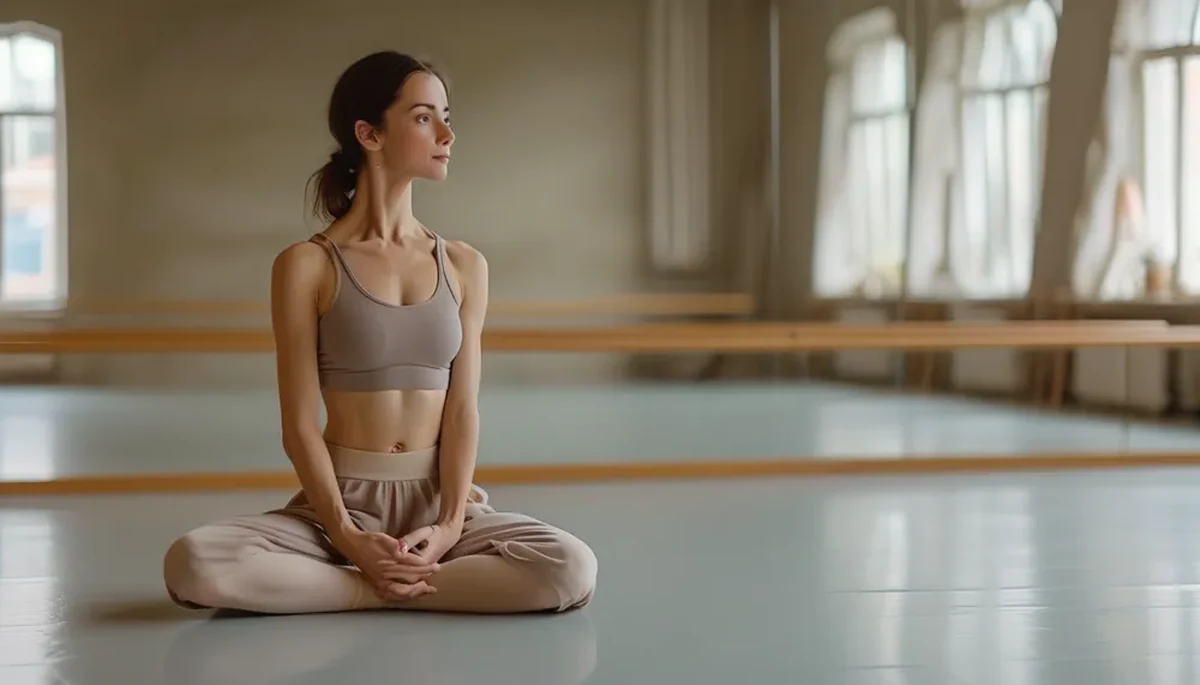
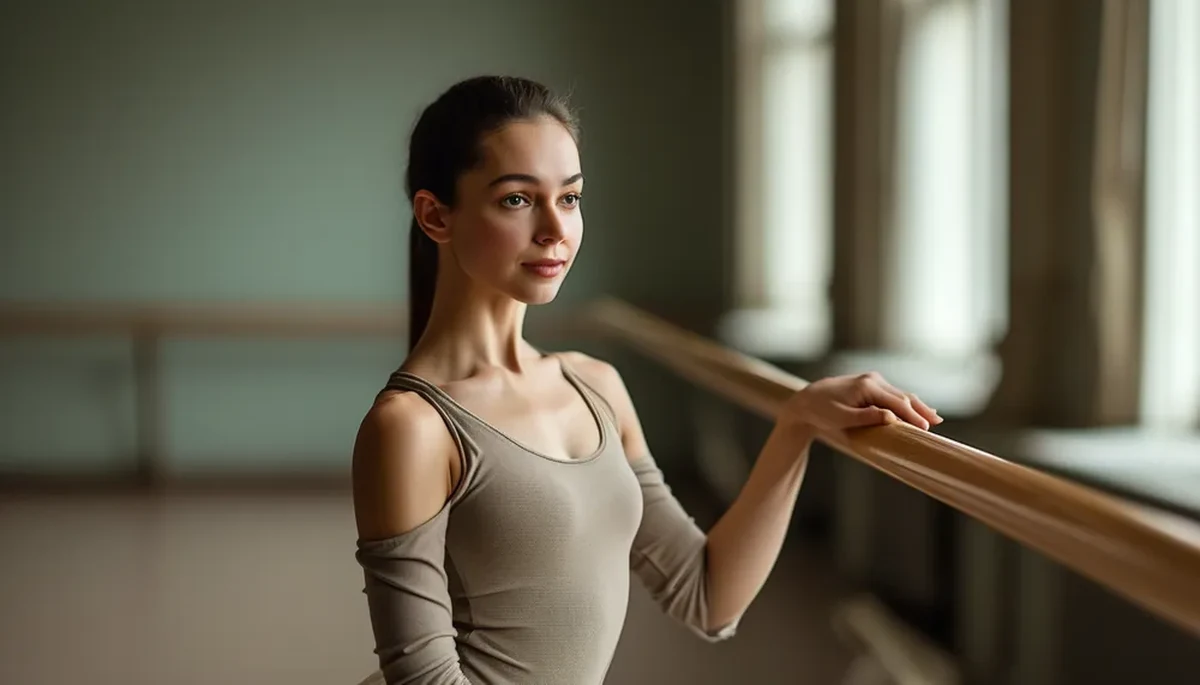
Barre blends ballet-inspired moves, Pilates, and strength training into a low-impact workout that targets small muscles with tiny, controlled movements. You’ll use a ballet barre for balance — but you don’t need any dance experience to keep up. It’s about toning and control, not pirouettes. Nobody’s judging your plié, least of all the instructor, who has seen every wobble in the book.
What Will Your First Barre Class Actually Feel Like?
Why Are the Tiny Movements So Deceptively Hard?
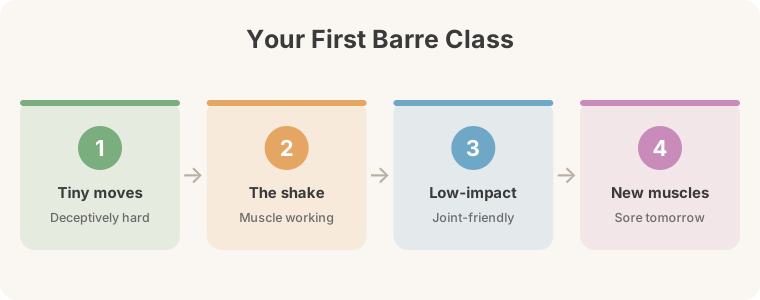
Barre is famous for its “one inch” movements — small pulses that look almost too easy from across the room and burn like fire once you’re a minute into them. Don’t underestimate them just because the range of motion looks small; that’s the point.
Are the Shakes Normal, or a Sign You’re Doing Something Wrong?
When your muscles start trembling mid-set, that’s not failure — it’s the muscle working itself to fatigue, which is exactly what the exercise is designed to do. Instructors literally cheer for “the shake” because it means the move is working. Embrace it instead of fighting it.
Is Barre Actually Low-Impact?
Yes — there’s no jumping, no pounding, no repetitive high-impact strain on your joints. Your joints stay relatively happy while your muscles do the hard work, which is part of why barre suits such a wide range of fitness levels and ages.
Will You Feel Sore in Unexpected Places?
Expect to feel it in your inner thighs, glutes, and core — often in surprising new spots the next morning that you didn’t know could get sore. That soreness usually fades within a couple of days as your body adjusts to the new movement pattern.
What Should You Wear and Bring to Your First Class?
- Fitted activewear — loose clothes make it hard for you (and the instructor) to actually check your form
- Grip socks — most studios require them, and they keep you from sliding on the floor during balance work
- Water — you’ll be sweating more than the “no jumping” reputation suggests
- An open mind — everyone shakes and wobbles on day one, including people who’ve done other workouts for years
What Nobody Tells You Before Your First Barre Class
- The soreness often shows up two days later, not the next morning — so don’t assume you’re in the clear just because day one felt fine.
- Modifications are completely normal and encouraged; using a smaller range of motion isn’t “cheating,” it’s how you protect your form as you build strength.
- Your feet will work almost as hard as your legs — expect some foot fatigue, especially in the arches, if you’re not used to the tiny stabilizing movements.
- The front row isn’t reserved for experts. Regulars often stand up front simply because they arrived early, not because beginners are unwelcome there.
Bottom Line
Your first barre class will be low-impact, surprisingly challenging, and full of muscle-shaking small movements — no dance skills required. Wear something fitted, grab grip socks, and lean into the burn instead of fighting it. You’ll walk out feeling worked, accomplished, and probably already planning your next class.
This article is for general wellness purposes only and isn’t medical advice. If you have an existing injury, joint condition, or you’re pregnant, check with a doctor before starting barre, and let your instructor know so they can offer modifications.
Mini FAQ
Is barre good for complete beginners with no fitness background?
Yes — barre is specifically designed to be approachable, using small ranges of motion and body-weight resistance rather than heavy equipment. Most studios expect a mix of experience levels in every class, not just regulars.
How sore will I be after my first barre class?
Expect noticeable soreness in your inner thighs, glutes, and core, often peaking around the second day rather than immediately after class. It typically fades within a few days as your body adapts.
Do I need dance experience to take a barre class?
No — barre uses the ballet barre for balance and borrows a few positions from dance, but the workout itself is about strength and control, not choreography. Instructors cue every move, so you don’t need to know any dance terminology going in.
TL;DR
- Barre blends ballet, Pilates, and strength training into small, controlled pulses.
- It’s low-impact but genuinely high-burn — expect shaking, and treat it as a good sign.
- Wear fitted activewear and grip socks, and bring water.
- Soreness often peaks two days later, especially in your inner thighs and core.
- Modifications are normal — check with a doctor first if you have an injury or health concern.
See It in Motion
Seen here: Racerback Tank Top - White — shop similar styles on bubblelime.com
Keep Reading
This article is for general informational and styling purposes only. Fit, sizing, and product availability may vary.