Hip Ache After Barre Class: Stance Fixes That Actually Work

Quick Answer: Hip ache after barre usually comes from a stance problem, not a weak body. Common culprits are forcing turnout from the knees, locking the knees, and tucking the pelvis. Fix your alignment first, reduce the range of your small movements, and the ache often fades within a few classes.
Forty minutes of pulses and tiny lifts left your hips sore for two days. You figured it was a sign you were getting stronger. Sometimes it is, but a persistent ache usually points to how your legs and pelvis are lining up while you work.
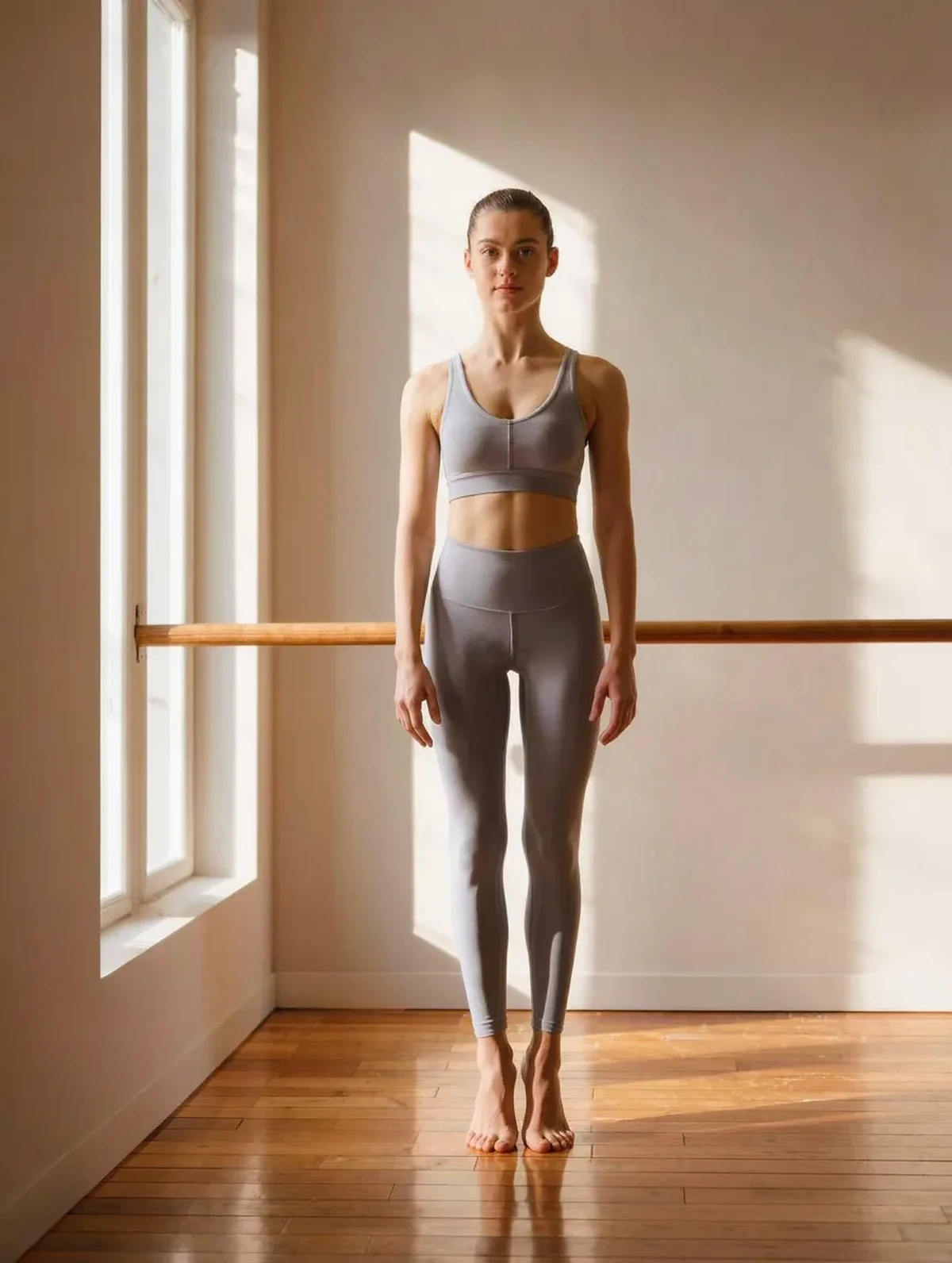
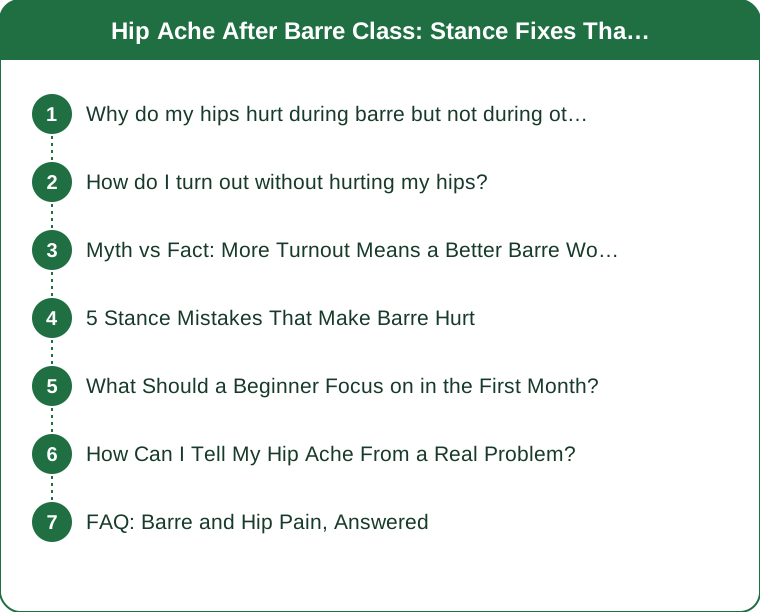
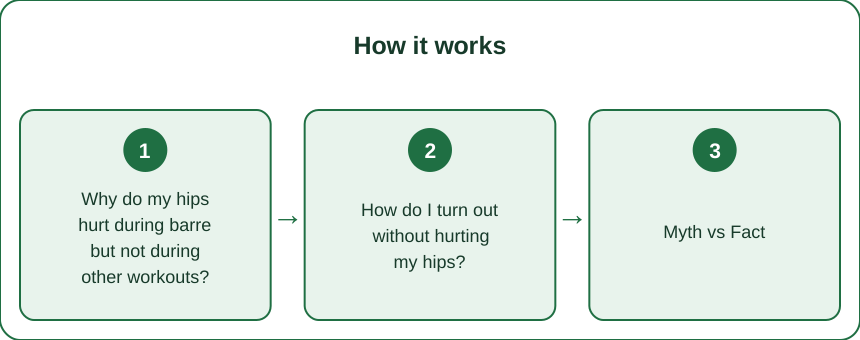
Why do my hips hurt during barre but not during other workouts?
Barre keeps you in small, repeated movements with your legs turned out. That position asks a lot from the hip joint and the muscles that rotate it. Forced turnout is the biggest trigger, because the hips rotate less than most people think.
When you push your feet wider than your hips allow, the rotation comes from the knee and the front of the hip, and the joint takes the stress. The ache shows up in the front or outside of the hip, often after class rather than during it.
How do I turn out without hurting my hips?
Turnout should start at the hip, not the foot. Try this check:
- Stand with your heels together and turn your feet out only as far as your hips comfortably allow.
- Keep your knees soft over your toes, never locked or pushed backward.
- Lift through the inner thigh and keep your pelvis level rather than tucked or swayed.
- Use a smaller angle for tiny pulses and lifts if you feel pinching.
You can lose a little visible turnout and still get the work in your glutes and inner thighs. Your hips will thank you.
Myth vs Fact: More Turnout Means a Better Barre Workout
Myth: The wider your feet, the harder the workout and the better the results.
Fact: Once your turnout goes past your natural range, the extra angle shifts load into your knees and hips instead of your target muscles. The burn you feel can come from strain, not strength.
A smaller, controlled stance lets your glutes and thighs do the work. Most people find the class feels harder in a good way within a couple of weeks.
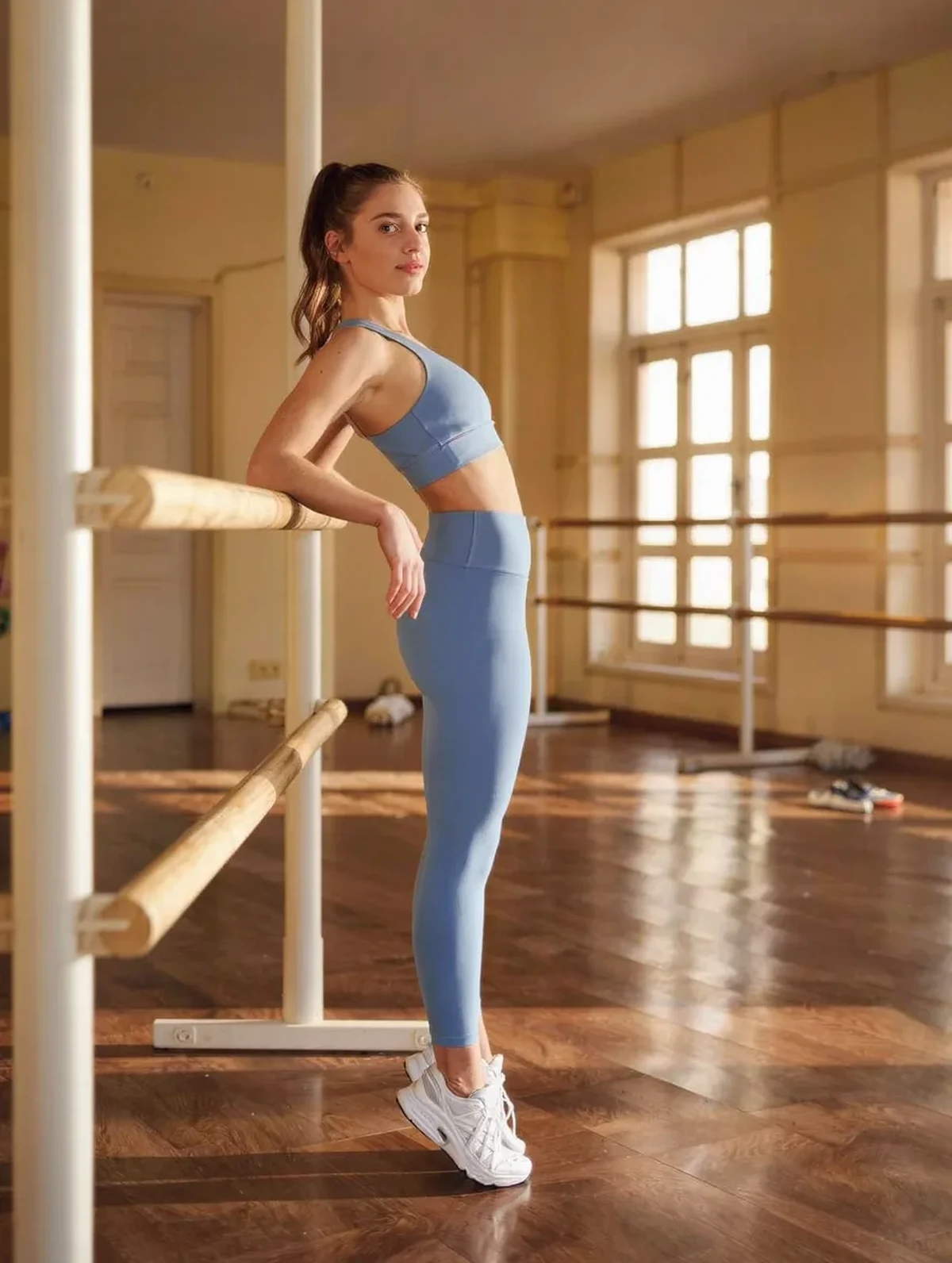
5 Stance Mistakes That Make Barre Hurt
These are the setup errors that show up most often:
- Locked knees on pulses and lifts. Keep a soft bend.
- Flared feet that are wider than your hips can rotate.
- Tucked pelvis during standing work, which loads the lower back.
- Shoulders creeping up and locking the rib cage.
- Overdoing it on the first week back after a break.
Check one or two of these in every class. Small corrections add up fast.
What Should a Beginner Focus on in the First Month?
Your first month in barre is about learning the setup, not chasing the burn. Most beginners try to copy the instructor’s wide stance on day one, and that is exactly how the hip ache starts. Give yourself permission to work in a smaller range while your body learns the patterns.
Start by choosing a stance you can hold with a quiet, level pelvis. Your feet can be closer together than the class next to you, and that is fine. Practice standing with your weight over the whole foot, from heel to the ball of the big toe, so the work moves into your glutes and thighs instead of your knees.
Ask the instructor for one cue per class. A single focus, such as keeping your knees soft or lifting through the inner thigh, is easier to remember than a list of ten corrections. Over four weeks, those small cues add up to a stance that feels natural rather than forced.
Track how you feel the day after class. A mild muscle tiredness that fades within a day or two is normal. Sharp pinching, a catch in the joint, or an ache that grows each session tells you to shrink the stance and slow the tempo until your alignment catches up.
How Can I Tell My Hip Ache From a Real Problem?
A muscle ache after a hard class usually feels spread out, warm, and dull. It improves with rest, walking, and gentle movement. A joint problem often feels different. The pain sits in one specific spot, it feels sharp or pinching, and it may get worse when you stand up from a chair or climb stairs the next morning.
Pay attention to the timing as well. If the ache starts during a particular move, such as a deep plié or a fast set of pulses, that is useful information. Try the same move at a smaller angle or a slower speed the next class, and see whether the pain eases. If it does, your stance was the likely cause.
Keep the warning signs in mind. Clicking with pain, a catching feeling in the joint, swelling, or a hip that gives way under you all deserve a proper assessment. Do not push through them in class, and do not wait for the pain to disappear on its own.
FAQ: Barre and Hip Pain, Answered
Should I stop class if my hips hurt?
Stop the movement that hurts, and modify the stance until the pain eases. A mild muscle burn is normal, but sharp, pinching, or joint pain means it’s time to adjust.
How long does hip ache last after barre?
For most people, a mild, muscle-type ache fades within 24 to 48 hours. If it lasts longer or keeps coming back, get it checked.
When should I see a professional?
See a physical therapist or doctor if you have clicking with pain, pain that wakes you at night, numbness, or a limp. Those signs need a proper assessment.
This is general information, not medical advice.
TL;DR:
- Hip ache after barre usually comes from forced turnout, locked knees, or a tucked pelvis.
- Turn out from the hip, keep your knees soft, and use a smaller stance when you feel pinching.
- Check your alignment every class, especially after a break.
- Get assessed for sharp pain, night pain, numbness, or a limp.
Your hips want control more than angle. A smaller stance done well beats a wide one done badly.
See It in Motion
Seen here: High Waist Bootcut Yoga Pants — shop it on bubblelime.com
Keep Reading
This article is for general informational and styling purposes only. Fit, sizing, and product availability may vary.