Why Your Seat Muscles Burn During Barre Pliés (and What to Adjust)

Quick Answer: Barre pliés burn in the seat when the work sits too far back. The usual causes are a tucked pelvis, knees collapsing inward, and a stance that is too narrow. Fix the knee line, keep the tailbone long, and lower only as far as your hips allow. Sharp pain in the hip or knee means stop and get checked.
You grab the barre, sink into the plié, and within 20 seconds your seat is on fire. The class moves on, and you are still holding the position. This burn is a clear message about where your body is doing the work, and it is usually easy to change.
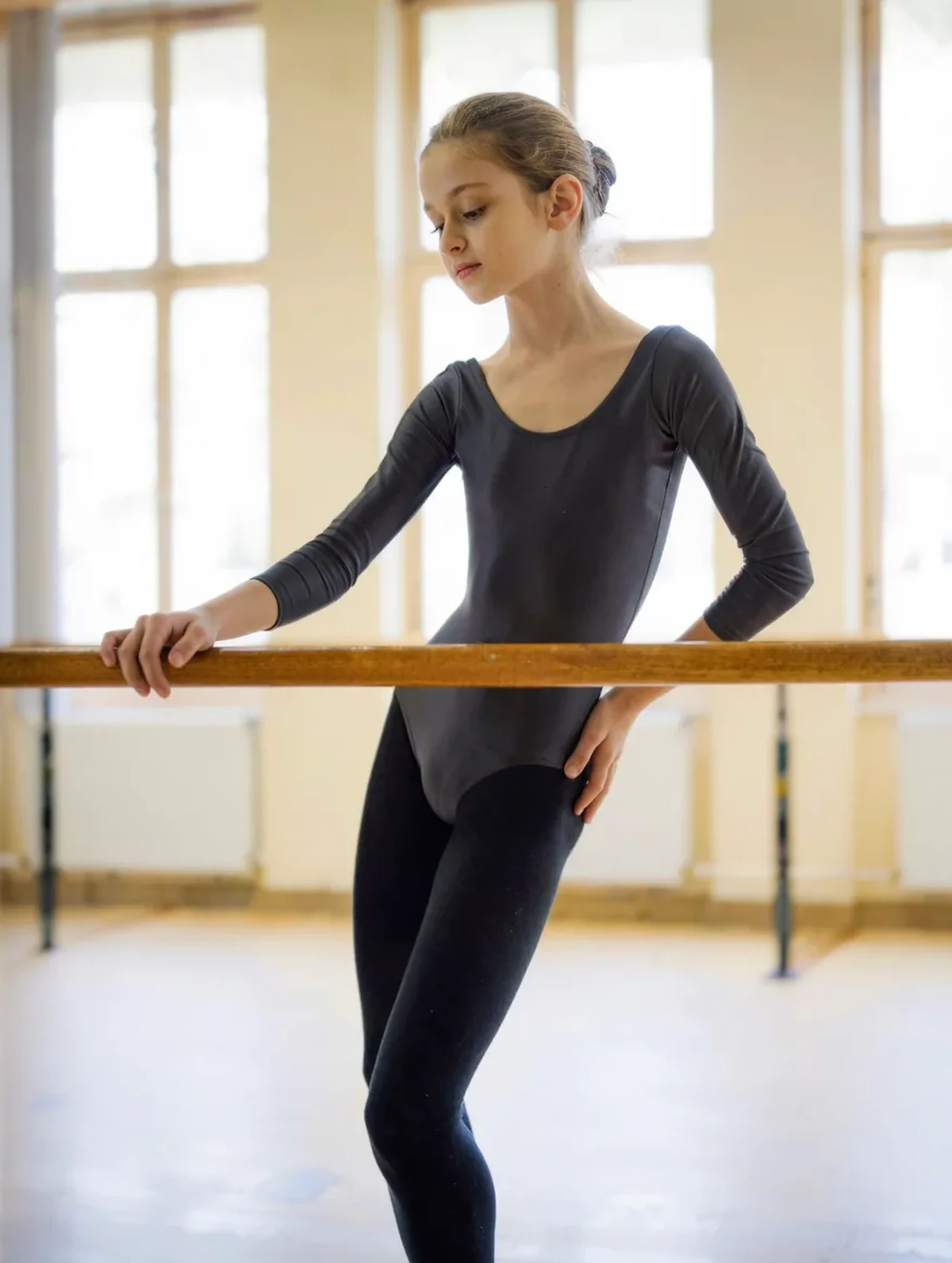
What is actually making my seat burn?
The glutes and outer hips are supposed to help with the lowering and rising, but in many classes they end up doing all the work. This happens when the pelvis tucks under, the torso leans forward, or the weight sinks into the back of the heels.
Pay attention to where the burn sits. A deep burn at the top of the seat often means the hips are working too hard to hold the position, which is a sign the stance needs a tweak.
How do I set my stance?
Feet should turn out from the hip, not the knee. Keep your heels in line with your toes, and find a width where you can lower without the knees drifting inward. Many people find the best stance is slightly wider than the hips.
Press the feet evenly into the floor, with weight spread across the big toe, little toe, and heel. This gives the legs a stable base for the whole plié.
How far down should I go?
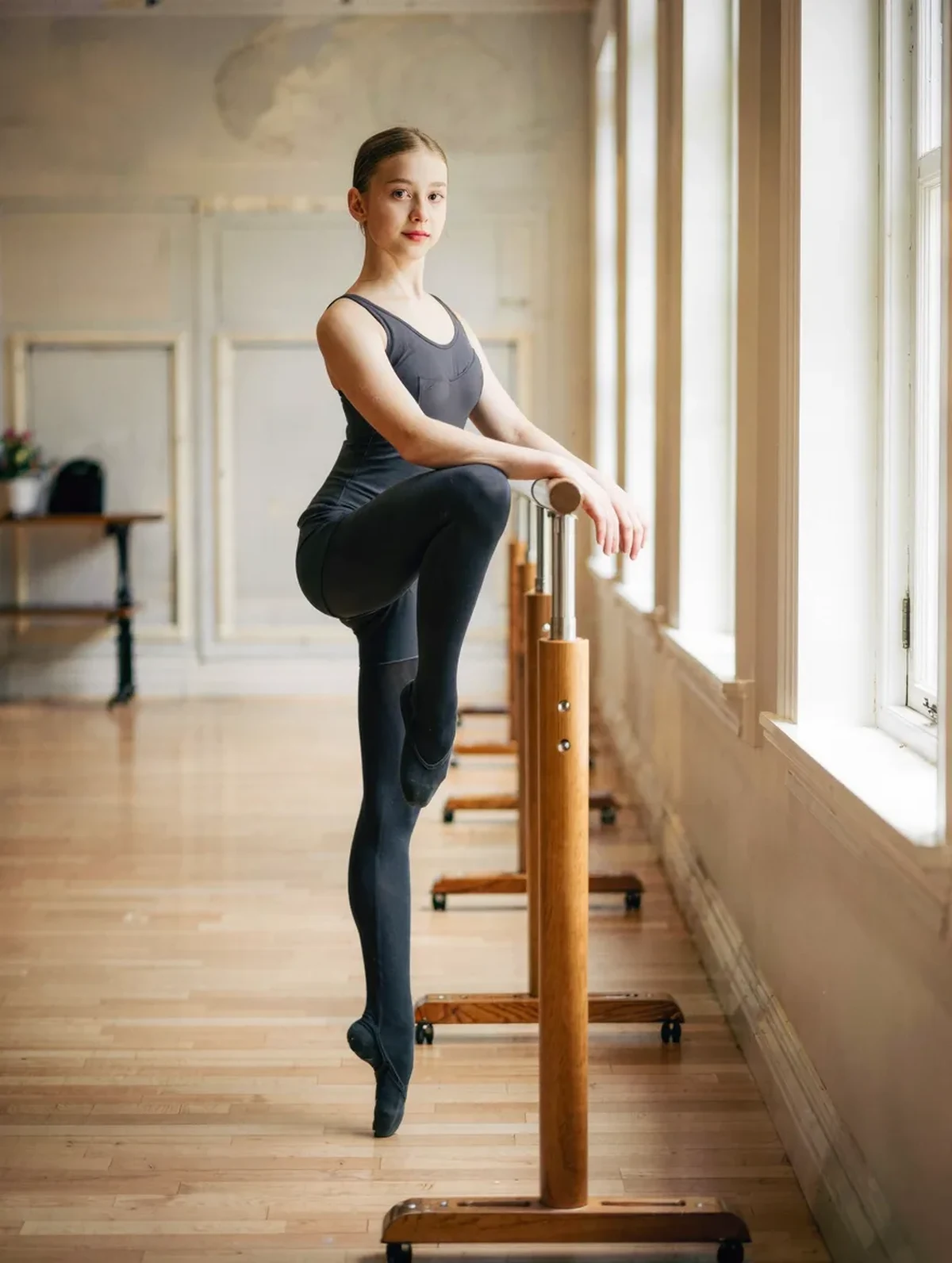
Only as far as you can keep your knees tracking over the toes and your tailbone long. If your pelvis tucks, your lower back rounds, or your heels lift, come up a little. A shallow plié with good form works more effectively than a deep one with a collapsed line.
Use the barre for light support, not for hanging. Keeping a small amount of lift through the torso takes pressure off the seat.
What cues help the most?
Try three cues in one class. Lift the crown of the head as if a string pulls it up. Keep the ribs over the hips rather than leaning forward. Imagine the knees pointing the same direction as the second and third toes.
Change one cue at a time for a week. Small changes add up faster than a big overhaul.
When does burning become a warning sign?
Burning and shaking in the thighs and glutes are normal in barre. Sharp pain in the hip joint, pinching in the front of the hip, or pain in the knee that lasts past the next day are not normal. Stop the movement and have a clinician check it.
This is general information, not medical advice. A physical therapist or certified instructor can watch your form in person.
TL;DR:
- A burning seat in pliés usually means the work sits in the wrong muscles.
- Turn the feet out from the hip, keep the knees over the toes, and find a comfortable width.
- Keep the tailbone long and lower only as far as your form holds.
- Use the barre for light support so the seat gets less load.
- Sharp hip or knee pain is a reason to stop and get checked.
Good plié form feels strong and steady, not like a fight with your seat.
See It in Motion
Seen here: Super High Waist Embossed Yoga Leggings with Inner Pocket — shop it on bubblelime.com
Keep Reading
This article is for general informational and styling purposes only. Fit, sizing, and product availability may vary.