Why Your Shoulders Creep Up Toward Your Ears in Barre (and How to Fix It)

Quick Answer: Shoulders creep up in barre because small isolated arm movements trigger a tension response in the neck and traps when the deeper stabilizing muscles aren’t engaged yet. Fix it by actively pressing shoulders down and back before each arm sequence starts, not mid-set once tension has already built.
You’re twenty reps into pulses and you catch your reflection: shoulders halfway to your ears, neck tight, jaw clenched. It happens to almost everyone in barre, and it’s not about strength — plenty of strong arms still do this. It’s about which muscles are doing the work when the ones that should be aren’t warmed up to take over yet.
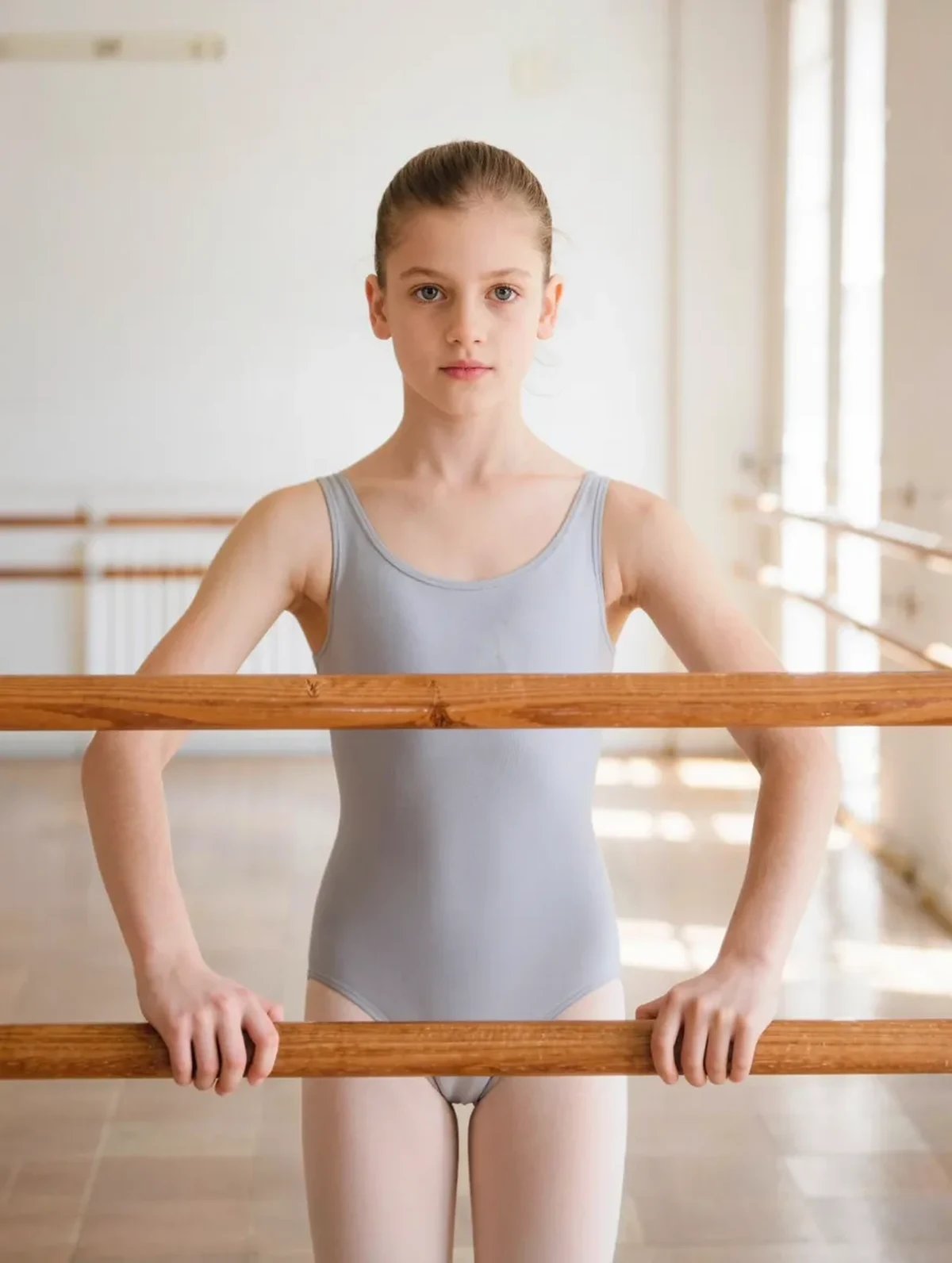
Why do shoulders rise during small pulsing arm movements?
Small, repetitive arm movements — the pulses barre is built on — are deceptively hard to control with just the target muscle. When your deltoids and triceps fatigue in the first 15-20 reps, your body recruits whatever is available to keep the movement going, and the upper traps are the easiest muscle to borrow from.
This isn’t a coordination failure. It’s a predictable substitution pattern: small isolated movements fatigue fast, and tension migrates upward to the nearest available muscle, which is almost always the trap running from your shoulder to your neck.
What does letting your shoulders rise actually cost you?
Two things. First, it steals stability from your core — when your shoulders are tense and elevated, your ribcage tends to flare and your deep core disengages slightly to compensate, which is why barre instructors correct ribs and shoulders together so often.
Second, it’s the most common reason people leave barre class with neck and upper-trap soreness instead of arm fatigue the next day. The muscles that should be tired — deltoids, triceps — end up undertrained, while the traps do overtime work they weren’t supposed to be doing.
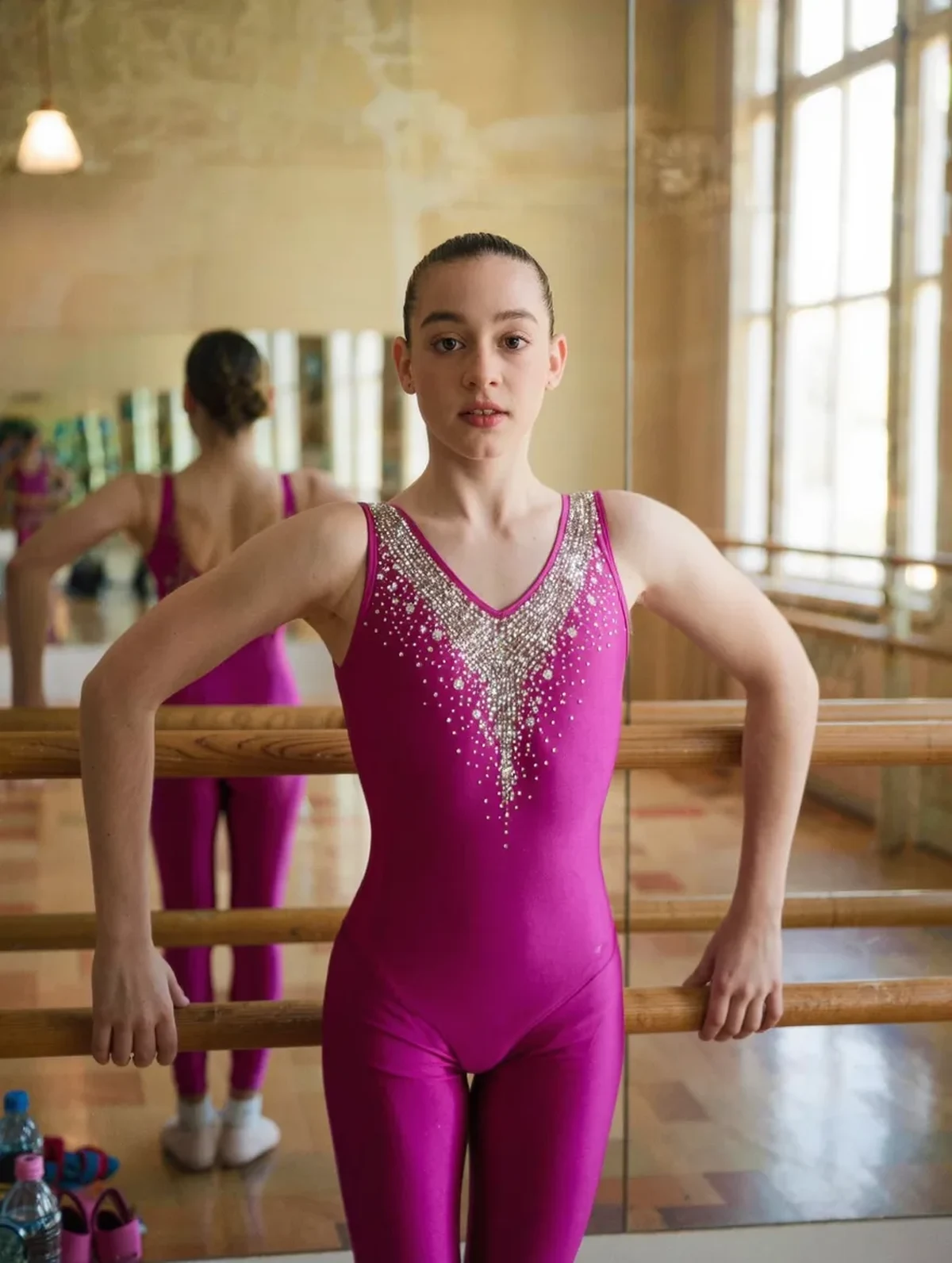
5 Mistakes That Make Shoulder Creep Worse
1. Starting the set with shoulders already tense. If they’re up before rep one, they’ll be at your ears by rep ten. Reset before you begin, not during.
2. Gripping the barre too hard. A tight grip travels straight up through the wrist and forearm into the shoulder. Loosen your hold and the tension often drops with it.
3. Holding your breath through pulses. Breath-holding recruits the neck and traps as accessory breathing muscles — exactly the ones you’re trying to keep relaxed.
4. Copying the instructor’s arm position without their shoulder set. Watching the arms and missing the shoulder blades pulled down and back is one of the most common visual mistakes in class.
5. Pushing through burning fatigue instead of resetting. Once the target muscle is truly spent, more reps just transfer the work upward. A brief shake-out and reset beats grinding through.
How do you actually keep your shoulders down through a full set?
Set them before the first rep, not mid-set. Roll your shoulders up, back, and down once, and actively hold that ‘blades in your back pockets’ position as you start moving.
Then check in every 8-10 reps, not just at the end. A quick mental scan — ‘are my shoulders still down?’ — catches the creep while it’s still small and easy to correct, instead of after ten reps of compounding tension.
FAQ: Barre Shoulder Tension Questions, Answered
Why do my shoulders hurt more than my arms after barre?
It usually means your traps took over from your deltoids and triceps partway through class — a sign to focus on the shoulder-set cue earlier in your next session, before fatigue sets in.
Should I use lighter weights to stop my shoulders from creeping up?
Sometimes, but not always — the issue is often technique, not load. Try the reset cue with your current weight first; if shoulders still rise immediately, then dropping weight is a reasonable next step.
Is shoulder tension in barre a sign of poor posture generally?
Not necessarily — it’s common even in people with good everyday posture, because barre’s small isolated movements create a specific fatigue pattern that daily posture habits don’t fully predict.
TL;DR:
- Shoulders creep up when small pulsing movements fatigue the target muscle and traps take over
- Tense shoulders steal core stability and leave you sore in the wrong place the next day
- Grip tension and breath-holding both feed the pattern — loosen your hold and keep breathing
- Reset your shoulder position before each set starts, and check in every 8-10 reps, not just at the end
The fix costs nothing and takes two seconds — it’s just a matter of remembering to do it before the burn talks you out of it.
See It in Motion
Seen here: UPF 50+ Short Sleeve Rashguard Swim Shirt — shop it on bubblelime.com
Keep Reading
This article is for general informational and styling purposes only. Fit, sizing, and product availability may vary.