Why One Side Is Always Weaker in Barre

Quick Answer: One side is always weaker in barre because you have a dominant side in daily life, and barre’s small single-leg holds expose a gap that bigger movements hide. Class order adds to it, since the second side starts with a tired standing leg. Start with your weaker side whenever you can, match your reps to what that side can do with good form, and add 2 short single-leg sets a week. Most people see the gap narrow in 4 to 6 weeks.
The first side goes fine. You pulse, you hold, you even manage a small smile at the mirror.
Then the instructor says switch, and within 10 seconds your leg is shaking, your hip is hiking, and you’re gripping the barre like it owes you money. Same exercise, same person, completely different experience.
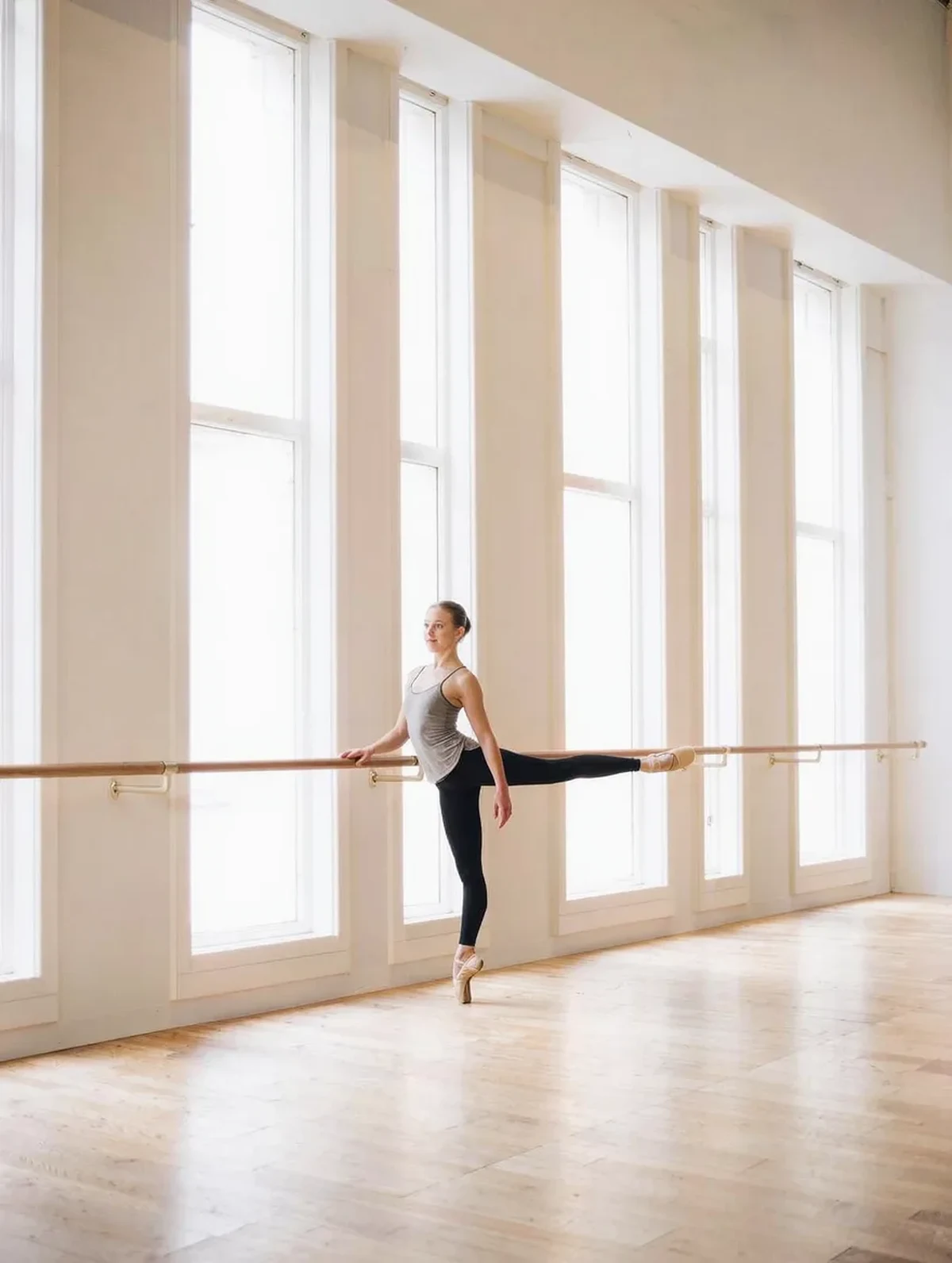
Why is one side always weaker in barre class?
Almost everyone has a side they favor. You step up a curb with the same leg, stand with your weight on the same hip, and carry your bag on the same shoulder. Over years, that adds up to one leg that’s better at producing force and one that’s better at standing still.
In everyday life you never notice, because walking, stairs and even squats let the stronger side quietly do a bit more.
Barre takes that option away. Most of the work is one leg at a time, in a small range, held for 60 to 90 seconds. There’s nowhere for the weaker side to hide.
The gap you feel is usually less about raw strength than about control and endurance. Your weaker side can lift the leg. It just can’t hold the position as long before it starts to shake.
Does the order of class make your second side feel worse?
Yes, and it’s a bigger factor than most people expect.
When you work your right leg first, your left leg is the standing leg, and it’s holding you up for the whole set. By the time you switch, the left leg has already done 2 to 3 minutes of steady work before its turn as the working leg.
So the second side begins tired. If your class always starts on the right, your left side always gets the harder deal, and it will always feel weaker, even if the two sides are fairly close.
Try this test at home: do your usual standing seat series starting on the side that normally goes second. If that side suddenly feels much better, a good share of your gap is class order and not strength.
How can you tell if it’s a real strength gap or a mobility difference?
Sometimes the weak side is actually the tight side. A stiff hip can’t reach the position, so the muscles work from a worse angle and tire sooner.
Three quick checks, done fresh and not after class:
- Single-leg balance: stand on one leg with your hands on your hips and time it, up to 30 seconds. Compare sides.
- Single-leg calf raises: count how many slow, full raises you can do on each leg, lightly touching a wall for balance.
- Figure-four stretch: lie on your back, cross one ankle over the opposite knee, and notice which hip feels tighter.
A difference of 10 percent or so is normal and nothing to chase. If one leg manages 20 calf raises and the other gets 12, or one side balances for 30 seconds and the other for 10, that’s a gap worth training.
If the main difference is in the stretch, add 2 minutes of hip mobility on the tight side before class.
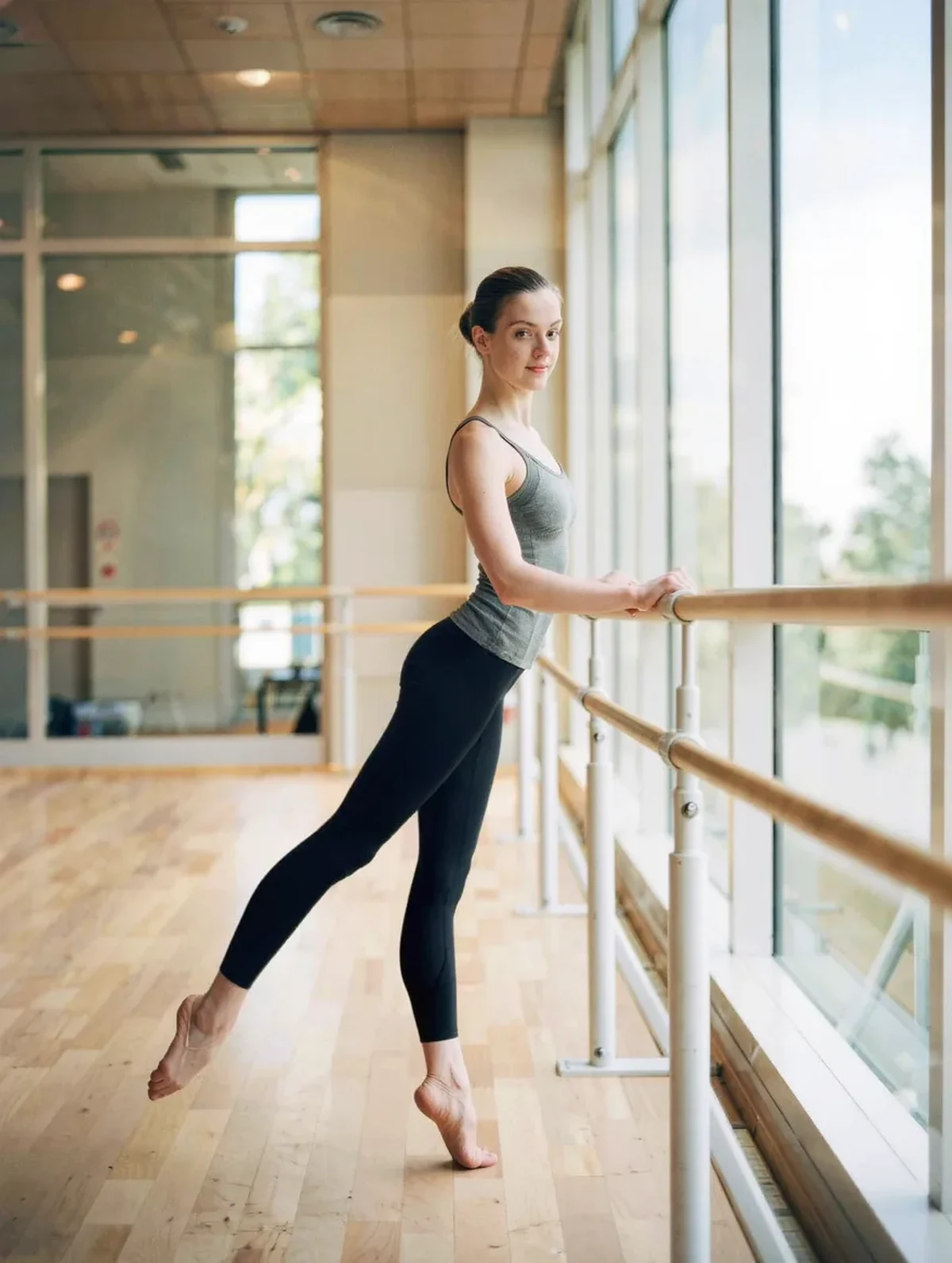
How do you even out your weaker side without overtraining it?
The goal is to give the weaker side better practice, not double punishment.
Start with the weaker side in any home workout, and in class whenever the instructor gives you the choice. It gets your freshest effort and your best attention.
Let the weaker side set the number. If your left side holds good form for 16 pulses, do 16 on the right as well. Piling extra reps on the strong side only widens the gap.
Add 2 short extra sets a week. After class or on a day off, do 1 set of 12 slow standing leg lifts and 1 set of 10 single-leg bridges on the weaker side only. It takes about 3 minutes.
Shrink the range before you lose form. A smaller, clean pulse trains the right muscles. A big, wobbly one trains your lower back.
Give it 4 to 6 weeks of consistent work before you retest.
Myth vs Fact: your weaker side in barre
Myth: shaking on one side means that side is injured or has something wrong with it.
Fact: shaking is a normal sign of muscle fatigue. One side reaching that point sooner simply means it has less endurance in that position right now.
Myth: you should do twice as many reps on the weak side to catch up.
Fact: doubling up usually means the last half is done with poor form. One or two focused extra sets a week works better and keeps you recovering well.
Myth: a perfectly even body is the goal.
Fact: nobody is symmetrical. Dancers, runners and instructors all have a preferred side. You’re aiming for a gap small enough that it doesn’t change your form.
Myth: you’ll fix it by pushing harder in class.
Fact: what surprises most people is that slowing down fixes it faster. Slow, controlled reps on the weaker side build the control it’s missing.
FAQ: Barre Muscle Imbalance Questions, Answered
Is it normal for one leg to shake more in barre?
Yes. Nearly everyone has one leg that shakes sooner, and it’s often the one that works second in class. Shaking on its own isn’t a problem. If one side also has sharp pain, pinching in the hip, or numbness, ease off and have it checked by a physical therapist.
How long does it take to fix a muscle imbalance?
With 2 to 3 classes a week and a couple of short extra sets on the weaker side, most people notice a difference in 4 to 6 weeks. Larger gaps, or ones linked to an old injury, can take 3 months or more. Retest your single-leg balance and calf raises once a month so you can see the change.
Should I skip the strong side to let the weak side catch up?
No. Keep training both sides so the stronger one doesn’t lose ground. Match the strong side’s reps to what the weak side can do well, and give the weaker side a little extra work on top.
TL;DR:
- One side feels weaker in barre because of everyday dominance, and because small single-leg holds expose gaps that bigger movements cover up.
- Class order matters. The second side starts with a standing leg that’s already tired.
- Start with the weaker side, match reps to what it can do cleanly, and add 2 short single-leg sets a week.
- Test balance and calf raises now, then again in 4 to 6 weeks.
Next class, pay attention to which side goes second and how your form changes. Once you know where the gap comes from, it’s a very fixable thing. This is general information, not medical advice. Pain that’s sharp or one-sided deserves a professional opinion.
See It in Motion
Seen here: High Waist Yoga Leggings with Side Pockets — shop it on bubblelime.com
Keep Reading
This article is for general informational and styling purposes only. Fit, sizing, and product availability may vary.