What to Wear to Barre Class (And Why It Matters)
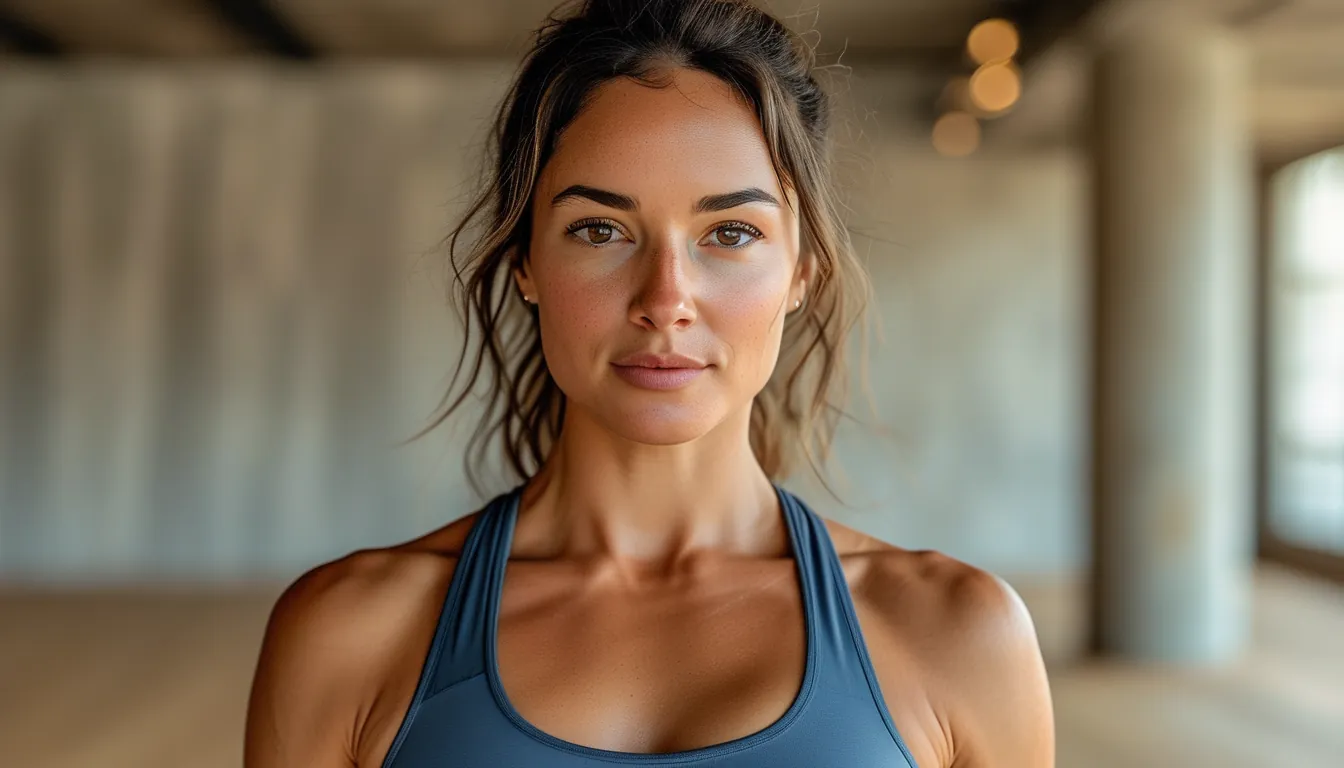
Barre looks graceful in photos. Then you hold a plié pulse for ninety seconds, your thigh starts doing something involuntary, and you understand what you’ve signed up for.
Here’s the part nobody warns you about: your outfit affects the class more than it does in almost any other format. Not because anyone’s judging it — because your instructor physically cannot correct what they can’t see.
Quick Answer: Wear fitted clothing so your instructor can see your alignment — that’s the whole reason it matters. High-waisted leggings with a secure waistband (full-length or capri), a fitted tank, a light-to-medium support bra, and grip socks. Most studios require the grip socks. Skip loose tees, heavy cotton, regular socks, and anything that clinks on the barre.
Why Does Fitted Clothing Matter So Much in Barre?
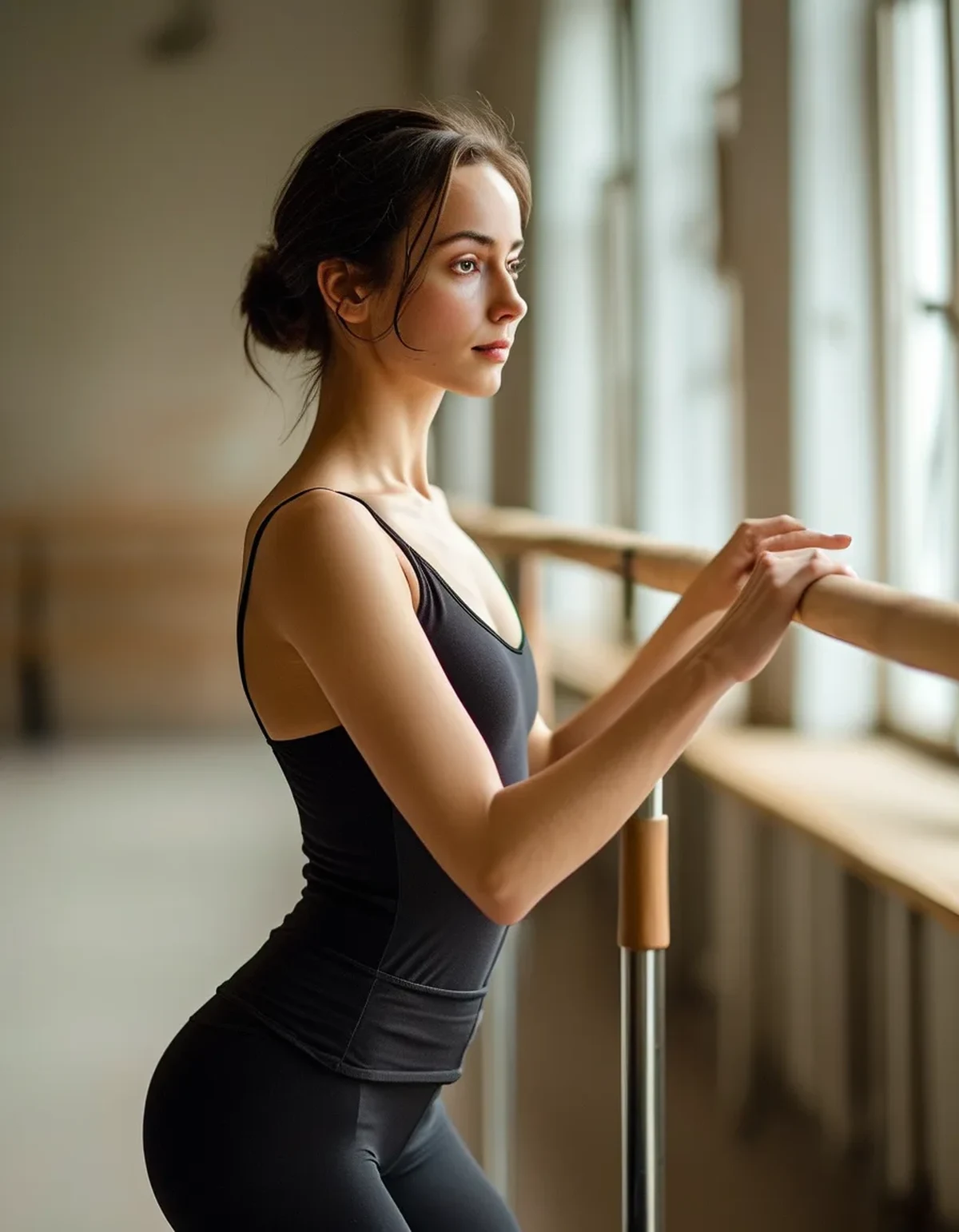
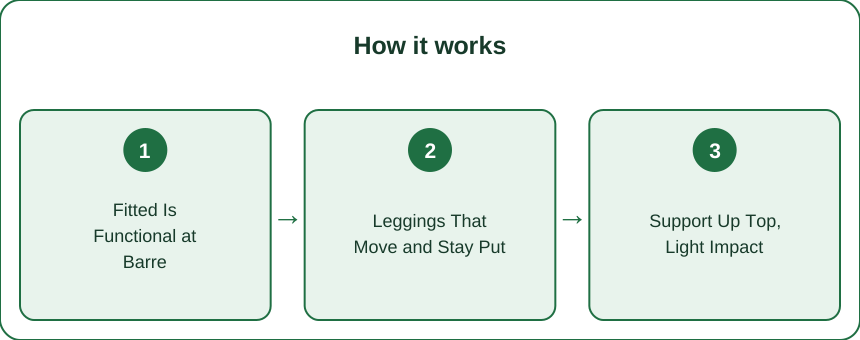
Because barre corrections are millimeter-scale, and your clothes are the display screen.
Think about what an instructor is actually cueing: tuck your pelvis slightly, drop your ribs, square your hips, lift half an inch higher in the relevé. These are tiny positional changes, and the instructor is reading them off the line of your body across the room. A loose tee falls over your hips and lower back — exactly the two places where nearly every barre correction happens. They physically cannot see whether your pelvis is tucked.
So snug leggings and a fitted top aren’t a vanity thing. They’re feedback infrastructure. You paid for the corrections; let the instructor give them.
There’s a second, more selfish reason: barre involves a lot of positions where you’re folded, inverted, or leaning. A top that falls over your face in a forward fold, or a waistband that rolls down during pulses, means you spend the class adjusting instead of working. The best barre outfit is the one you completely forget you’re wearing.
What Leggings Should You Wear to Barre?
High-waisted, with a genuinely secure waistband. This is the single most important piece.
Barre is built on tucking, hinging, pulsing, and small rapid movements at the hip. Low-rise or mid-rise leggings slide during exactly those movements, and a waistband that needs a tug every four minutes will define your whole class. A wide, high waistband stays put through everything.
Length: full-length or capri, both work. Capris are popular in warmer studios and make it easier for the instructor to see your knee tracking. Full-length is fine and often preferred in cooler rooms.
Fabric: four-way stretch and squat-proof. Buttery-soft, opaque, and stretchy in every direction. You’ll be in deep pliés and wide second position, so full opacity under stretch matters — a squat-proof high waist legging is the safe default here.
What to avoid: shorts, especially slippery ones. Barre involves sitting and sliding on mats and pressing your legs together against a ball. Slippery shorts slide out from under you and ride up constantly.
What Should You Wear on Top?
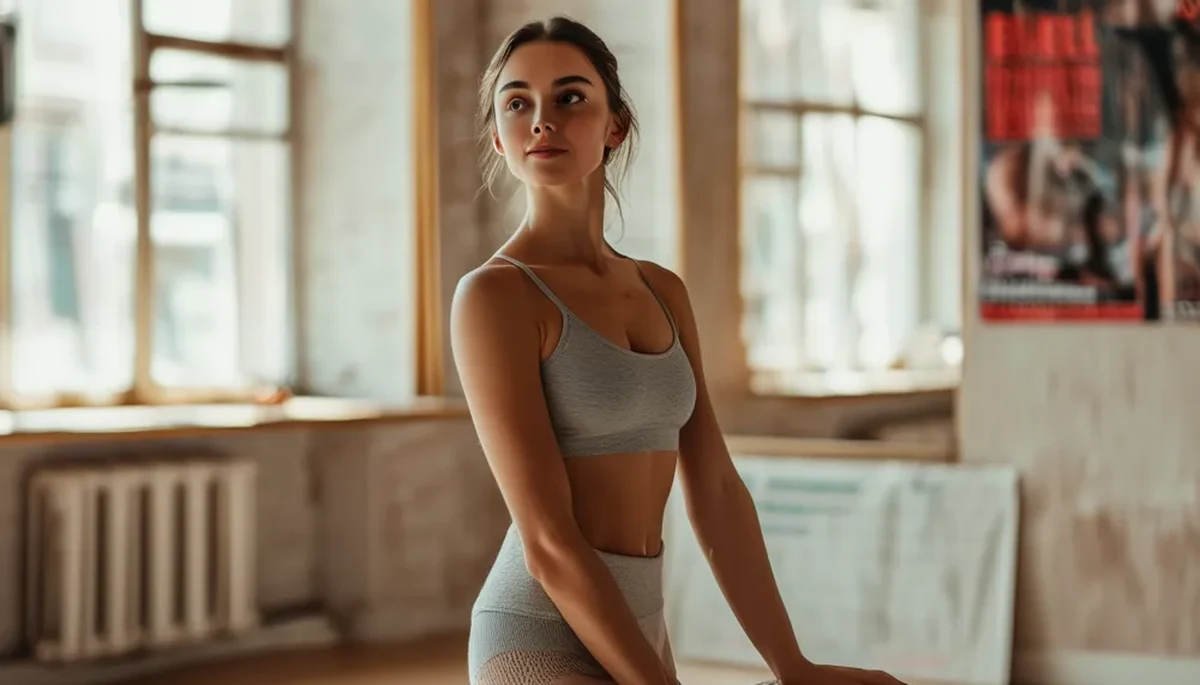
A light or medium support bra is plenty. Barre is genuinely low-impact — no running, no jumping in most classes — so the high-impact bra you’d wear for a run is unnecessary and often uncomfortable during floor work and back extensions.
A fitted tank you don’t have to adjust. Long enough to stay tucked, snug enough not to flip up when you fold forward. Longline tanks and fitted racerbacks are the standard for a reason.
Layers come off, not on. Barre rooms are usually kept warm and you’ll be surprised how quickly you heat up in a class with no cardio in it. Wear a light layer in, take it off during the warm-up.
Grip Socks: The Barre Secret Handshake
Most studios require them, so check before your first class — many sell them at the front desk if you forget, but at a markup that stings slightly.
Two reasons they exist:
Stability. Barre spends a lot of time in relevé (up on the balls of your feet) with small, precise balance demands. Sticky dots on the sole give you real purchase on a wooden floor, and your balance genuinely improves with a grippy base. This isn’t marketing — you’ll notice it in your first class.
Floor protection and hygiene. Studios ask for them partly to keep their floors clean and undamaged.
Regular socks are a slip hazard, full stop. Smooth cotton on a polished studio floor during a relevé sequence is how people roll ankles. Barefoot is allowed at some studios and not others; grip socks are the universal safe answer.
Keep a pair in your bag permanently. They’re the item people forget most.
5 Mistakes Everyone Makes Dressing for Barre
1. The loose tee. Covered above, but it’s the number one offender. It hides the exact region where every correction happens, and it flips over your head in forward folds.
2. Heavy cotton. Cotton soaks up sweat and stays heavy and cold for the rest of class. Barre produces more sweat than the low-impact label suggests — those pulse sequences are deceptively hard. Moisture-wicking synthetics or blends only.
3. Jewelry. Rings and bangles clink against the barre, which is genuinely distracting in a quiet studio, and can scratch the equipment. Long necklaces swing into your face during planks. Take it off before class.
4. Regular socks or the wrong footwear. No sneakers, no regular socks. Grip socks or, where permitted, bare feet.
5. Brand-new leggings you haven’t moved in. Barre positions — wide second, deep plié, seated straddle — stress a legging in ways a normal day doesn’t. Do a few squats at home in anything new before you find out mid-class that it’s not as opaque as advertised.
FAQ
Do you need grip socks for barre class?
Most studios require them, and even where they don’t, they’re strongly recommended. They provide stability during relevé and balance work on a smooth floor and protect the studio’s flooring. Check your studio’s policy before your first class — most sell them on-site if you forget.
Can you wear shorts to barre?
You can, but leggings or capris work considerably better. Barre includes floor work, seated positions, and exercises where you press a ball between your thighs, and shorts ride up or slide during all of it. If you run hot, capris are the better compromise.
What kind of sports bra is best for barre?
Light to medium support is usually plenty, since barre is low-impact with no running or jumping in most formats. Prioritize something you can wear comfortably lying on your back and doing back extensions — a very compressive high-impact bra can feel restrictive during floor work.
TL;DR:
- Fitted so your form shows. Instructors correct millimeter-scale alignment and can’t see it through a loose tee.
- High-waisted leggings with a secure waistband, full-length or capri, squat-proof and four-way stretch.
- Light-to-medium support bra — barre is low-impact, you don’t need the running bra.
- Fitted tank that stays put when you fold forward.
- Grip socks are usually mandatory. They improve your balance and regular socks are a genuine slip hazard.
- Skip: heavy cotton, slippery shorts, jewelry that clinks on the barre, and untested new leggings.
See It in Motion
Seen here: High Waist 8” Yoga Shorts — shop similar styles on bubblelime.com
Keep Reading
This article is for general informational and styling purposes only. Fit, sizing, and product availability may vary.