What Changes When You Do Barre Facing Away From the Mirror
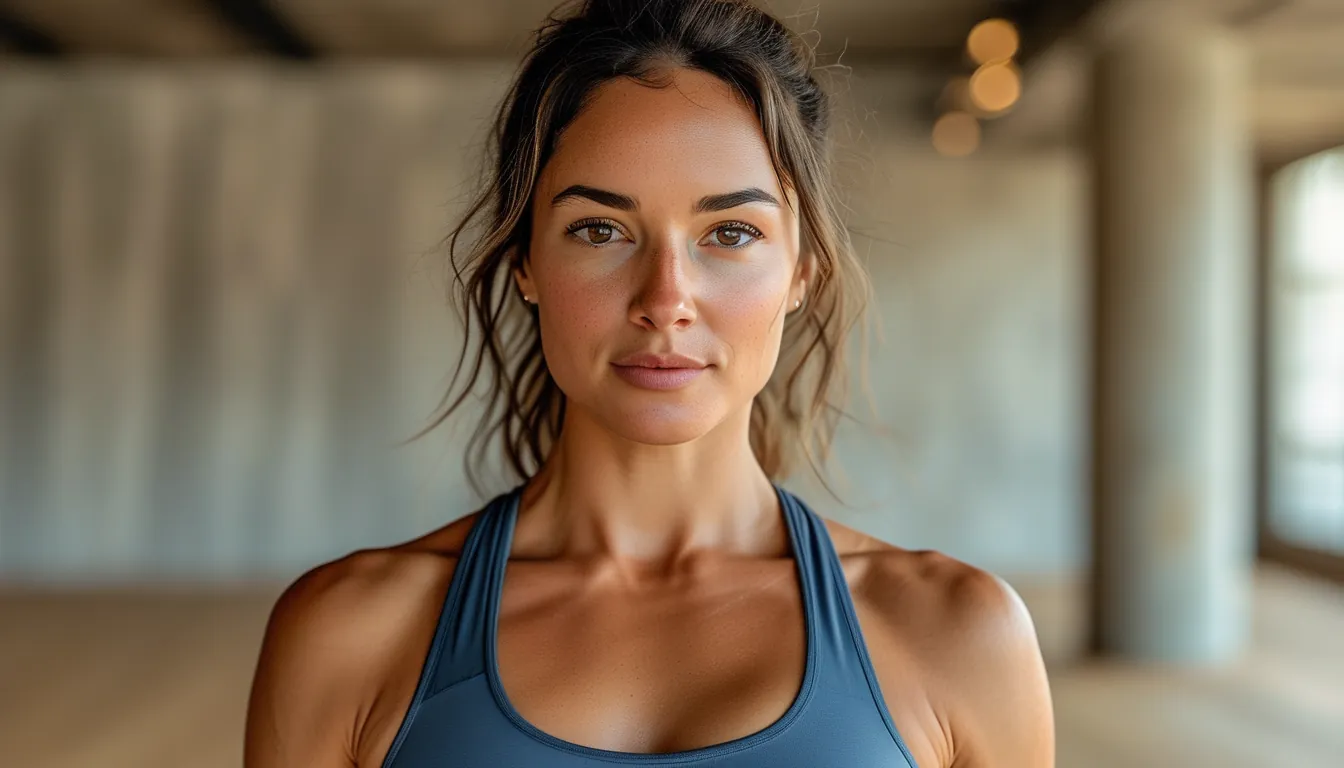
Quick Answer: Facing away from the mirror removes visual feedback and forces you to rely on proprioception — your internal sense of joint position. Most people discover their pelvic position and rib alignment drift immediately, while their arm lines hold up better than expected. Doing one class a week mirror-free builds form that survives outside the studio.
Your instructor cues ribs down. You glance at the mirror, adjust, and the line looks right again.
Turn around and that loop is gone. What is left is whatever your body actually knows, and for most people the answer is genuinely surprising.
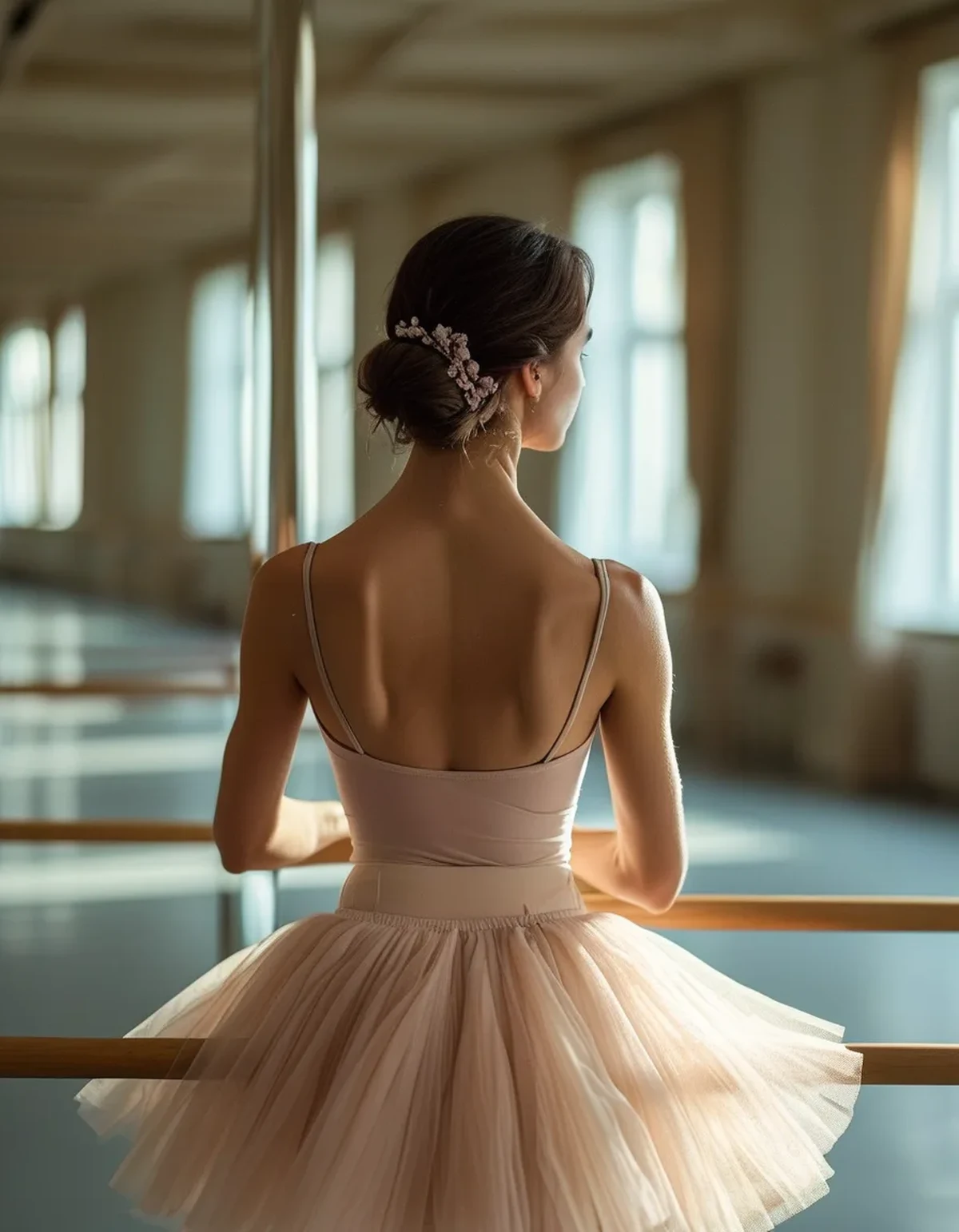
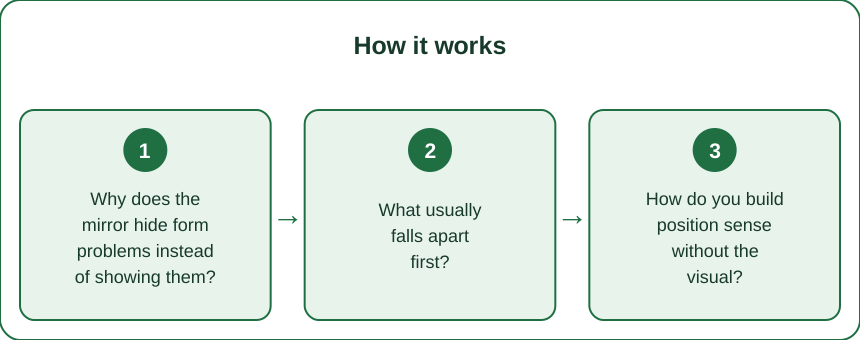
Why does the mirror hide form problems instead of showing them?
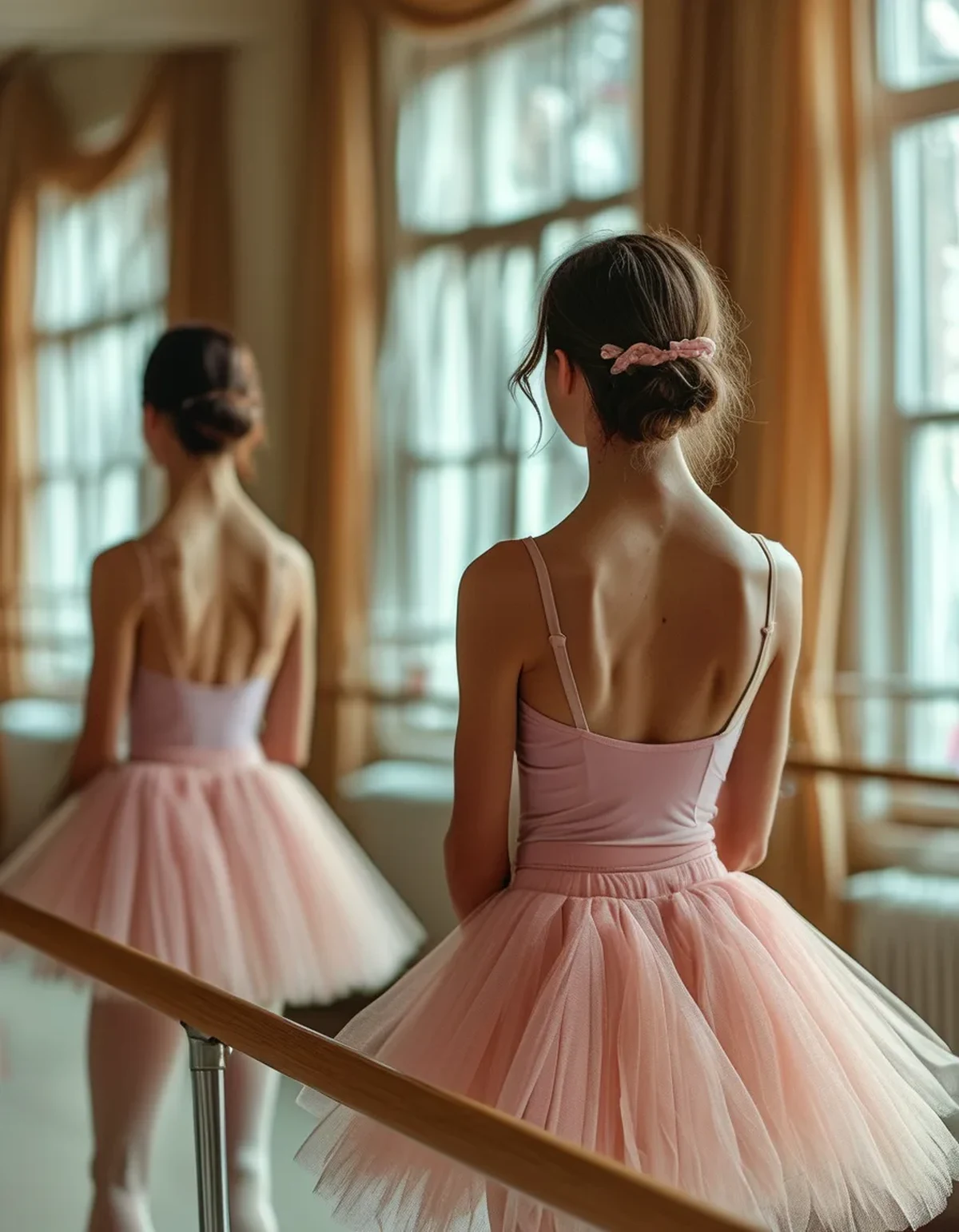
Because it lets you correct the picture instead of the position.
When you can see yourself, you make the outline look correct. You are solving a visual problem, and there are several ways to make a line look right that involve compensating somewhere the mirror does not show — usually the pelvis, the ribs, or which side is taking more load.
Without the mirror you have to solve the actual problem, which is knowing where your bones are. That is a different skill, and it is the one that transfers.
It is also the reason barre form so often falls apart the moment you take the exercises home to a living room with no glass. You did not lose the movement. You lost the feedback system you had been quietly leaning on.
What usually falls apart first?
In rough order of how quickly they drift, based on what instructors correct most often in mirror-free classes:
1. Pelvic position. The tuck goes either too far or disappears entirely within about 30 seconds. This is the biggest one and it is nearly universal.
2. Rib cage. Ribs flare on any overhead arm work almost immediately. You cannot feel a flared rib until you have been taught what it feels like, and the mirror lets you skip that lesson.
3. Weight distribution. Most people load one side 55 to 60 percent without noticing. The mirror hides this because both sides still look symmetrical from the front.
4. Heel height in releve, which tends to sink gradually rather than suddenly.
5. Arm lines, which usually hold up fine — the thing everyone worries about is the thing that is least dependent on seeing it.
How do you build position sense without the visual?
You substitute touch and pressure for sight. Three tools, in the order they are worth learning.
Hand on the ribs. During any overhead sequence, rest one hand on the lower ribs. If they push into your hand as the arm goes up, that is the flare. This gives you the sensation to search for later without the hand.
Wall contact. Stand with your back a few inches from a wall and find the position where your lower back is a hand’s width away and your ribs are not touching. That is your reference. Step away and try to keep it.
Foot pressure mapping. Before each set, take three seconds to notice pressure under the big toe, little toe, and heel of each foot. Aim for even. Recheck mid-set. This one fixes the side-loading problem faster than anything else.
Instructors use these because they work on people who cannot see themselves, which is everyone in a home workout.
What Nobody Tells You About Mirror-Free Barre
It is harder in a way that has nothing to do with fitness.
The first mirror-free class usually feels worse, and people read that as being out of shape. It is not — it is the additional cognitive load of tracking your own position while also doing 40 pulses. Your legs are not weaker. Your attention is doing two jobs.
Second thing: your shake changes location. People who normally shake in the quads often start shaking in the glutes, because without the visual correction they stop over-tucking and the load lands where it was supposed to. That is a good sign, not a problem.
Third, and this is the one that surprises people: it gets less tiring within about three classes. Proprioceptive skill builds fast. What felt like enormous concentration in week one is mostly automatic by week three, and then it stays.
How should you actually add this to your week?
Do not flip your whole practice. One class in four is the right dose.
A simple four-week progression:
- Week 1: Face away for the warm-up and arm section only. Turn around for legs.
- Week 2: Face away for everything except the thigh series.
- Week 3: Full class facing away, with one mirror check at the halfway point.
- Week 4: Full class, no checks. Then take one look at the end.
If you are in a studio, stand at the side barre rather than turning your back in the middle of the room — it is less disruptive and the instructor can still correct you.
At home, the equivalent is simply not filming yourself and not using a window reflection. Most people are startled by how much they had been using a dark TV screen.
FAQ: Barre and Mirror Questions, Answered
Will my form get worse if I stop checking?
Temporarily, then better than before. Expect two or three sessions of feeling sloppy while your position sense catches up. Keep one mirror class a week so errors do not calcify.
Is this the same as closing my eyes?
No, and do not close your eyes at the barre — balance work with the eyes shut is a different, much harder skill and a fall risk on a hard studio floor. Facing away keeps your visual horizon and only removes self-monitoring.
Does this help with plateaus?
Often, yes. A lot of stalled barre progress is not strength but compensation that the mirror was helping you maintain. Removing it usually makes the same class feel harder at the same weight, which is exactly what a plateau needs.
TL;DR:
- The mirror lets you fix the picture rather than the position
- Pelvic tuck and rib flare drift first; arm lines hold up better than you would expect
- Substitute hand-on-ribs, wall reference, and foot pressure checks for the visual
- Expect two or three awkward sessions, then rapid improvement
- One mirror-free class in four is the useful dose
The point is not that mirrors are bad. It is that a studio full of glass is not where you spend your life, and form that only exists in front of a reflection is form you do not own yet.
See It in Motion
Seen here: High Waist Bootcut Yoga Pants — shop it on bubblelime.com
Keep Reading
This article is for general informational and styling purposes only. Fit, sizing, and product availability may vary.