Seat Work: Barre's Famous Glute Burn, Explained and Survived

Quick Answer: Seat work burns so much because tiny pulses keep the glutes under constant tension at their hardest range — no lockout, no momentum, no rest. The form that matters most is square hips: a 2-inch honest lift beats a 6-inch twisted one. Exhale on the pulse, take a 3-second reset when you need it, and expect delayed soreness on day two.
Heavy squats: fine. Deadlifts: manageable.
Thirty tiny pulses with your knee bent behind you while someone counts down from ten in a calm voice: a genuine crisis.
Here’s why the smallest movement in the building produces the loudest burn — and how to survive the whole chapter.
Why do tiny barre pulses burn more than heavy squats?
Three mechanisms stack on top of each other.
Constant time under tension. In a squat, you get a brief unloading at the top. In seat work, the muscle never fully releases between pulses — no lockout vacations, no momentum bailouts. A 60-second set is 60 seconds of continuous work.
End-range targeting. The pulses happen at the position’s hardest inch, where your leverage is worst and muscle recruitment is highest. You’re deliberately living in the part of the range everyone else rushes through.
Endurance-fiber emphasis. High-rep, small-range work floods the slow-twitch system and drives up local metabolic byproducts. That’s what the burn actually is — metabolic traffic, not damage. It’s safe to breathe through, which is convenient, because you’ll be doing a lot of that.
What are the main seat work positions?
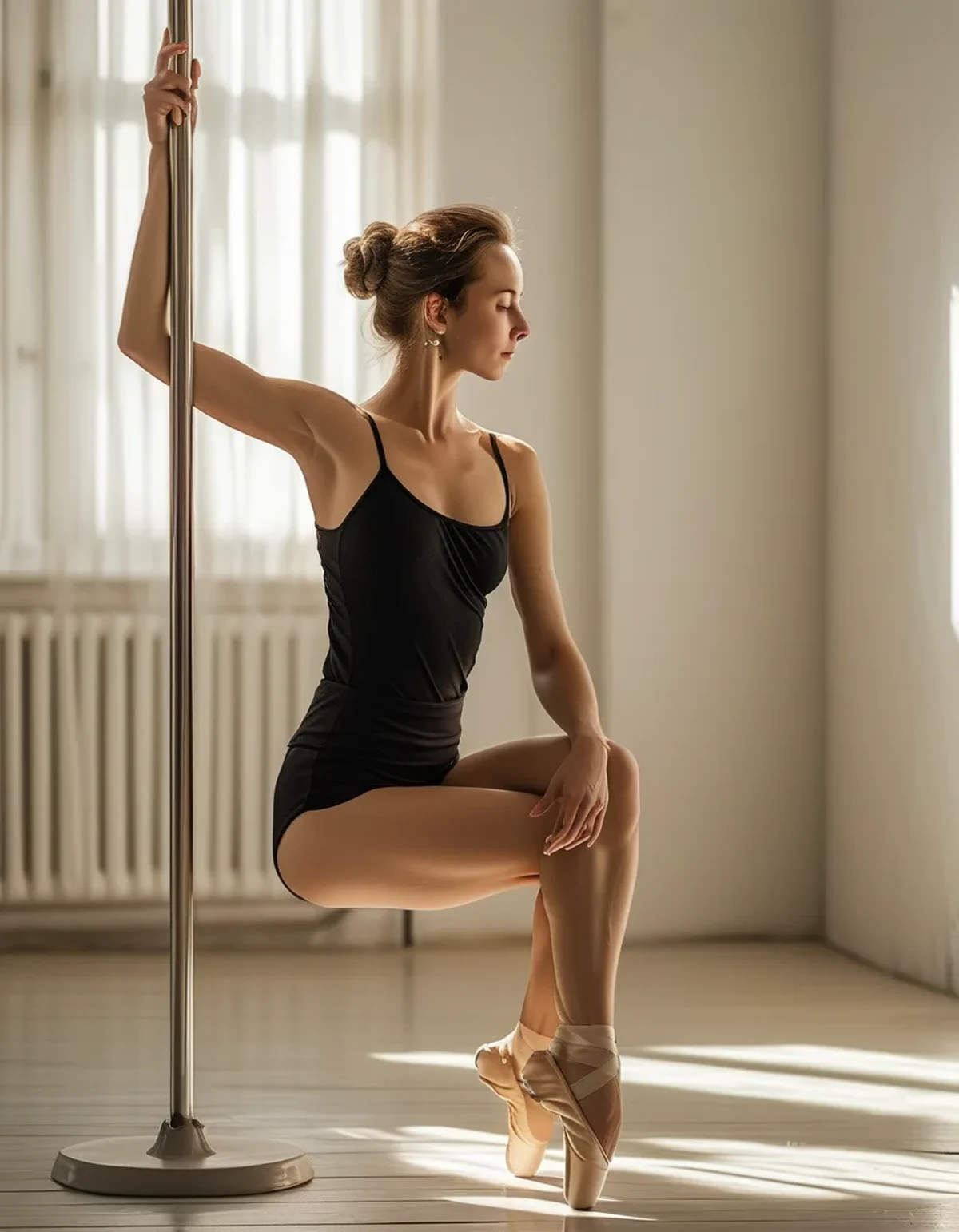
- Standing attitude. Leg lifted behind you, knee bent. The classic. The pulse goes up an inch, not out into a kick — this is the one people most often turn into cardio by accident.
- Fold-over. Hinged forward at the barre, working leg extending back. Lives right on the hamstring-glute border and hits both.
- Pretzel. Seated sideways on the mat, deceptively brutal. Usually the position where the room goes quiet.
- Bridge series. The mat finale everyone recognizes, and the most beginner-friendly entry point of the four.
The geometry that unites all of them: square hips. The position only loads the glute properly when your hips stay level. Twisting to lift higher shifts the work into your lower back and hip flexors — and every instructor in the room can see it from across the studio.

5 Mistakes Everyone Makes in Seat Work
- Chasing height. A two-inch lift with square hips beats a six-inch twisted one every single time. Barre rewards precision over amplitude, always.
- Forgetting the standing leg. Soft knee, tall posture, weight not dumped into the barre. Roughly half the burn comes from what the supporting side is quietly doing.
- Ignoring foot position. Pointed versus flexed shifts the emphasis between glute and hamstring. Instructors cue it deliberately — it isn’t decorative.
- Holding your breath. The burn tempts you into bracing and freezing. Exhale on the pulse and your set gets noticeably longer. This one’s free.
- Gripping the barre for dear life. The barre is for balance, not support. Loading your arms takes work away from the exact muscle you came for — and it’s the mistake that most quietly caps progress.
Is the shaking normal — and should you push through it?
The shake is the point.
It’s motor units cycling in and out as they fatigue, and it means the set found its target. Instructors celebrate it because it’s the visible evidence that the position is working.
But shaking with collapsed form helps nobody. Barre culture fully endorses the three-second reset: straighten up, shake the leg out, rejoin the count. Nobody is judging you, and returning with good alignment beats grinding out ten more sloppy pulses.
The next-day forecast: seat-work soreness sits deep in the glute and arrives fashionably late — usually day two, usually announced by a staircase. That’s normal delayed-onset soreness. Sharp pain, joint pain, or anything that lingers past four or five days is a different conversation, and worth raising with a physio or your doctor rather than pulsing through.
How do you know you’re actually progressing?
Progress here is quiet and genuinely measurable if you look at the right things:
- Pulses before the shake starts — this number climbs weekly in the early months.
- Position depth — how far you can fold over, how low the plié goes. Deepens monthly.
- Recovery within the set — how quickly you can rejoin after a reset.
- Hip stability — whether you can keep square through a full 60-second set without twisting.
None of these show up in a mirror, and all of them precede anything that does. Practical note: seat work puts your leggings through fold-over, pretzel and bridge in the space of ten minutes, so a squat-proof high waist pair that doesn’t roll or slip is doing real work — you can’t focus on hip position while managing a waistband.
FAQ
Should I feel seat work in my lower back?
No. Lower-back sensation usually means your hips have unsquared or you’re arching to lift higher. Drop the height, re-square, and it should move back into the glute.
How often can I do seat work?
Two to three sessions a week is plenty, with a day between. The burn feels dramatic, but the actual load is moderate, so recovery is generally quick.
Can beginners do these positions?
Yes — start with the bridge series and standing attitude, keep the range small, and take resets freely. Depth comes with weeks, not with willpower.
TL;DR:
- Tiny pulses burn because of constant tension at the hardest range, not because of load.
- Square hips beat height. Two honest inches wins.
- Exhale on the pulse; don’t grip the barre; the standing leg is working too.
- Shaking is success. A three-second reset is better than collapsed form.
- Track pulses-before-shake and position depth; expect day-two soreness.
Square hips, honest inches, exhale on the pulse, shake with pride. Seat work is time-under-tension in ballet slippers — tiny moves, enormous receipts.
See It in Motion
Seen here: High Waist Yoga Leggings with Inner Pocket — shop it on bubblelime.com
Keep Reading
This article is for general informational and styling purposes only. Fit, sizing, and product availability may vary.